
The CX Frontline AI & Automation
Who watches the AI agents? A guide to CX oversight
AI agents require rigorous oversight to prevent drift and hallucinations. Learn how to audit automated interactions and maintain brand compliance at scale.
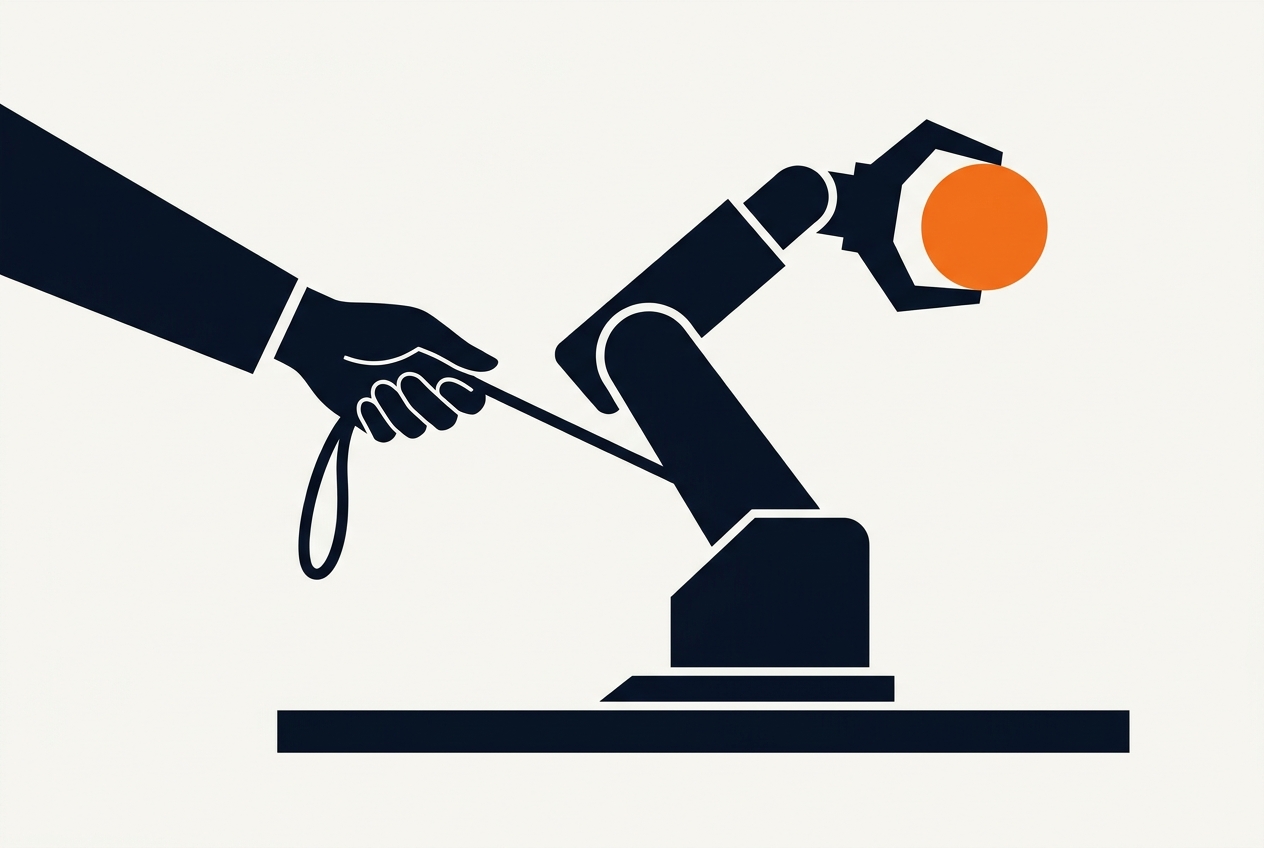
AI oversight in customer service is the systematic governance of automated agents to ensure they remain accurate, compliant, and aligned with brand standards. This process requires moving beyond traditional manual sampling toward automated, 100% coverage of all digital and voice interactions to detect errors before they escalate. Effective oversight involves a combination of real-time monitoring, periodic auditing, and a robust human-in-the-loop (HITL) framework.
Key takeaways
- AI is not 'set and forget': Automated agents require constant monitoring to prevent 'model drift' where performance degrades over time.
- 100% coverage is the new standard: Manual QA on 1% of calls is insufficient for AI; you need automated tools to scan every interaction for compliance and accuracy.
- Compliance is the primary risk: Hallucinations aren't just bad CX; they are a legal liability if an AI agent promises a refund or discount outside of policy.
- The role of the QA lead is evolving: Quality teams are shifting from grading agents to auditing the logic and outputs of AI models.
Why AI oversight is non-negotiable
Deploying an AI agent without an oversight layer is like hiring a thousand agents and never checking their work. In the rush to deploy large language models (LLMs) from providers like OpenAI or Google Cloud, many organizations have overlooked the 'black box' problem. When an AI agent makes a decision, the reasoning isn't always transparent.
Without oversight, small errors in a prompt or a knowledge base update can lead to mass-scale hallucinations. If an agent misinterprets a policy, it doesn't just happen once; it happens across every relevant interaction until the error is caught. This is why Gartner's Hype Cycle for Customer Service & Support emphasizes the importance of domain-specific AI and data protection as organizations move toward more autonomous operations.
The shift from manual QA to automated auditing
Traditional quality assurance (QA) was designed for humans. A supervisor would listen to three calls a week, check a few boxes on a rubric, and provide coaching. This model breaks when applied to AI. AI agents can handle thousands of concurrent sessions; a human auditor cannot keep pace.
To manage this, leaders are integrating conversation intelligence layers. These tools sit on top of CCaaS platforms like Five9 or Zendesk to analyze sentiment, intent, and policy adherence. For example, a conversation-intelligence layer like Hear.ai allows teams to maintain 100% coverage across all calls, flagging specific compliance risks or hallucinations that a human auditor would likely miss in a random sample.
By automating the 'find' part of the audit, human supervisors can focus on the 'fix'—adjusting prompts, updating knowledge bases, or refining the model's guardrails.
Architecting the AI oversight stack
Building a robust oversight framework requires three distinct layers of technology and process:
1. The Execution Layer
This is where the interaction happens. It includes your core CRM, such as Salesforce Service Cloud, and your AI orchestration engine. This layer handles the immediate response to the customer.
2. The Monitoring Layer
This layer watches the execution in real-time. It looks for 'red flag' keywords, sentiment shifts, or deviations from the approved script. Organizations often use Microsoft Azure AI services or specialized tools to run parallel checks on the primary AI's output. The goal here is to catch a failure while the customer is still on the line.
3. The Audit Layer
This is the retrospective view. It involves deep-diving into historical data to identify trends in AI performance. Forrester's CX Index often highlights how consistency is a primary driver of customer trust. The audit layer ensures that the AI is not only correct today but remains consistent over months of updates and data refreshes.
Managing the risk of AI hallucinations
A hallucination occurs when an AI confidently provides a false answer. In a customer service context, this might look like an agent inventing a return policy or misquoting a price.
The mechanism for prevention is 'Grounding.' This involves forcing the AI to only use a specific set of verified documents—your knowledge base—to answer questions. However, grounding is not foolproof. Oversight teams must regularly run 'red-teaming' exercises: intentionally asking the AI difficult or misleading questions to see if it breaks.
If your AI agent starts promising 'free shipping for life' because a customer used a specific phrasing, you need an automated alert to trigger immediately. This level of scrutiny is what separates a professional AI deployment from a brand-damaging experiment.
The human-in-the-loop (HITL) requirement
Oversight does not mean removing humans; it means repositioning them. The most effective CX organizations are creating a new role: the AI Content Designer or AI Auditor. This person is responsible for reviewing the 'low confidence' scores generated by the AI.
When the monitoring layer is unsure if the AI gave the right answer, it flags the interaction for human review. This feedback loop is essential. By correcting the AI, the human auditor helps the model learn, reducing the likelihood of the same error occurring in the future. This is a far more strategic use of human talent than traditional call monitoring.
FAQ
How often should we audit our AI agents? Real-time monitoring should be constant, but a deep-dive audit of the model's logic and knowledge base should happen at least monthly. Any time you update your product terms or pricing, a fresh audit of the AI's response triggers is mandatory.
Can we use AI to audit other AI? Yes. This is often referred to as 'LLM-as-a-judge.' You can use a secondary, more powerful model to review the transcripts of a smaller, faster production model. However, a human should still audit a percentage of the 'judge's' decisions to ensure the oversight itself hasn't drifted.
What are the biggest compliance risks with AI agents? The primary risks include data privacy (PII leakage), unauthorized commitments (making promises the company won't keep), and biased responses. Automated oversight tools are specifically designed to flag these high-risk categories across 100% of your data.
Does 100% coverage mean we need more staff? No. It usually means you need better tools. Automated systems like Hear.ai or similar intelligence platforms do the heavy lifting of scanning transcripts. Your existing QA staff then focuses only on the high-risk or high-value interactions flagged by the system.
For more on modernizing your quality program, see our guide on why your QA sample is lying to you or learn how to build an agent ramp playbook for the hybrid era.